



12 May Behind The Lens: How We Capture Unforgettable Live Event Energy
Most photographers walk into a live event expecting the hardest part will be dialing in camera settings. But the real challenge started hours earlier—reading the venue, mapping the light, and figuring out where the energy is going to land, all before anyone even walks through the door.
We’ve been photographing events across New York City for nearly eighteen years: weddings at rooftop venues in Midtown, where the sun drops behind glass towers and can blind you at exactly the wrong moment; mitzvahs in hotel ballrooms where the DJ’s lighting rig turns every skin tone green; corporate galas in venues along the Hudson, where the ambient light shifts from golden to pitch black in the course of a cocktail hour. After experiences like these, I can tell you—capturing the true energy of a live event versus just documenting it often comes down to decisions made long before the shutter ever clicks.
That’s what this piece is about: the invisible work behind live event photography that separates a gallery that feels vibrant and alive from one that’s just a catalog of stiff poses.
Energy Lives in Anticipation, Not Reaction
The biggest misconception about event photography is that you’re chasing moments. In reality, you’re predicting them.
A skilled event photographer has already walked the room. They know where the toasts will be, where the dance floor bottleneck inevitably forms, and where grandma will settle in to tear up during the first dance. They’ve noted ceiling height for bounce flash, wall color for reflection (creams bounce warmth, dark wood swallows light), and even the nearest exit for subtle repositioning.
At 5th Avenue Digital, our photographers visit the venue beforehand whenever possible. Some clients just see it as being thorough, but there’s a deeper reason: these walkthroughs help us build a mental map of the space so that on the night itself, we’re not stressed or improvising—just executing with intent.
Take a wedding we shot at a Chelsea loft: gorgeous on Instagram, all exposed brick and Edison bulbs, but a nightmare in person: uneven puddles of warm light, deep shadows, and no consistent color temperature anywhere. A pre-event walkthrough allowed me to test white balance at each major spot and create three custom profiles. On the wedding night, I simply switched between them based on my position—so every photo looked exactly as the night felt. The couple never noticed a thing, except that their gallery carried the atmosphere they remembered.
That’s the invisible work. The authentic energy in an event photo isn’t luck—it comes from stripping away every variable that could distract from being ready when the true moments crack open.
Planning means knowing your team as well. We deliberately pair photographers not just by availability, but by movement and instinct—one focused on wide, environmental frames, the other diving deep for emotional close-ups. This kind of coverage captures the full room without redundancy. Two photographers with the same eye will just double up on identical frames, and miss the bigger picture.
Camera Settings for Venues That Fight You
New York venues don’t exactly make it easy. They’re gorgeous, iconic—and often brutal for event photography. One ballroom’s chandeliers cast mixed color temperatures. Rooftop winds threaten your gear. Industrial spaces rely on “mood” lighting, which means barely any at all.
We have a toolkit for these challenges:
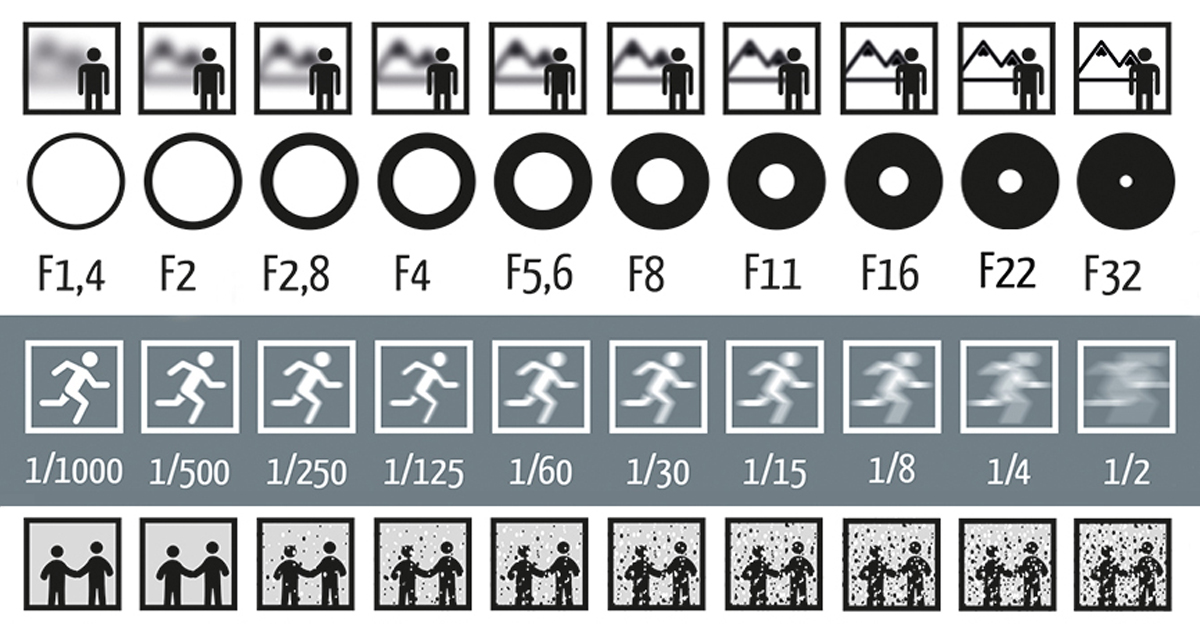
ISO flexibility over ISO purity. High ISO capability is non-negotiable. At dim receptions, ISO 6400 or even higher is common. Noise reduction in post can smooth grain, but nothing saves an image blurred by too-slow shutter speeds. We always prioritize a sharp image—even if it means accepting a little grain., Aperture priority with exposure compensation. Full manual mode has its place, but live events don’t wait for you. Spotlights swing, doors open, house lights come on for cake cutting. We often shoot aperture priority with a -⅔ to -1 EV compensation—keeping exposures controlled while we stay agile., Back-button focus. Standard for our team. Decoupling focusing from the shutter allows us to lock in on a speaker, recompose, and shoot—even as light shifts. In erratic lighting, autofocus can get distracted. Back-button focus keeps us on target., and Dual card slots with simultaneous backup. We learned this the hard way: a corrupted card early in our business meant lost moments we could never recover. Now, every camera records to two cards for instant backup. The tiny extra cost is nothing compared to the value of irreplaceable memories.
But all of these settings are just the foundation. The real job is staying aware—because the world’s best technical setup means nothing if you’re staring at your LCD while the father of the bride is wiping away tears on the other side of the room. Settings are there to serve your attention, not replace it.
Shooting Without Flash at Ceremonies
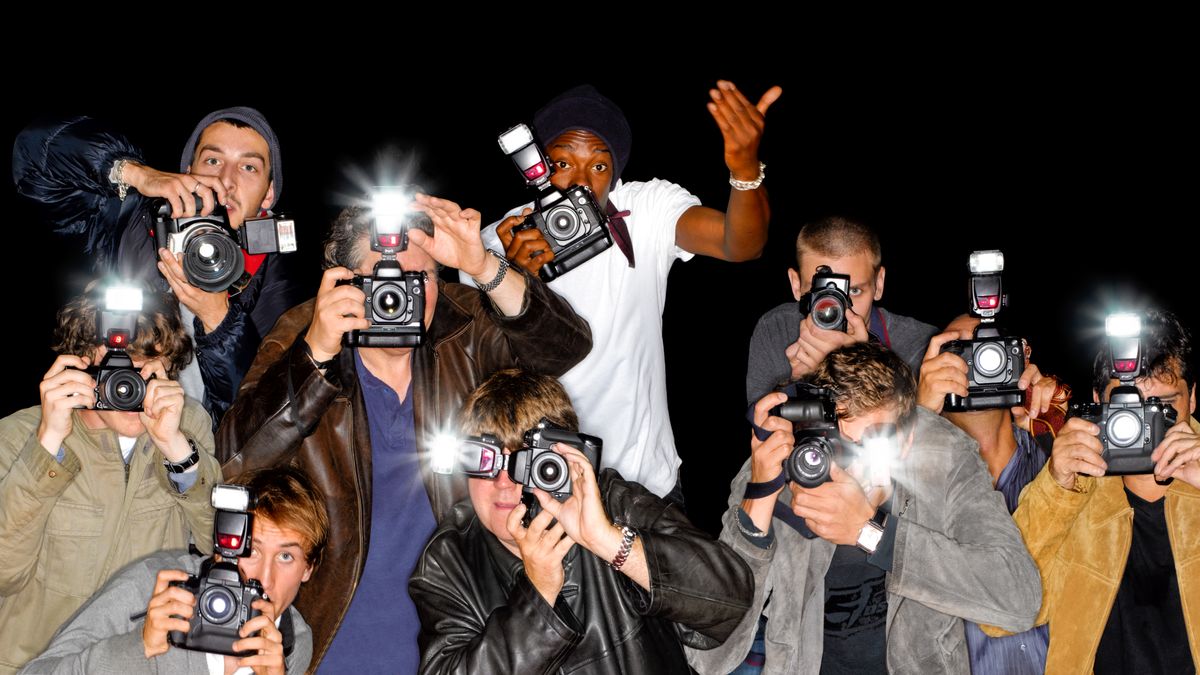
No flash during ceremonies—it’s almost always the rule, and, honestly, even when it’s not, nothing ruins intimacy faster than a burst of strobe during vows.
So we adapt. Fast glass is mandatory. Prime lenses (f/1.4 or f/1.8) in 35mm and 85mm cover most situations. The 35mm gives vital context—the room, the crowd, the architecture. The 85mm isolates emotion: trembling hands, closed eyes in prayer, that one moment of laughter or tears.
Shutter speed should rarely dip below 1/160 with people in motion—guests fidget, shift weight, twist their heads. Lower speeds mean you’re rolling the dice on sharpness, so push ISO instead.
But the heart of ceremony coverage is in position. Your placement determines everything. Too close and you become a distraction; too far and you’ll crop heavily, losing detail. We identify two or three key spots during our venue walkthroughs, moving only at natural pauses—processional, readings, or as transitions occur. Quiet shoes and silent movements absolutely matter. No rustling, no staring at your screen.
And here’s something that’s rarely discussed: the sound of your shutter. In a silent church or synagogue, a DSLR can be jarring. Mirrorless cameras have a near-silent option and smooth the experience for everyone. We began switching to mirrorless bodies largely for this reason—respecting the atmosphere matters as much as image quality.
Why We Don’t Deliver Every Frame
Clients ask this often, so let’s be clear: we may capture thousands of images at a single event, yet deliver only three hundred to eight hundred photos, depending on scope.
There are three main reasons we curate tightly:
Redundancy: No one wants a dozen near-identical frames of the same moment—it just distracts from the story., Technical rejects: Not every photo is salvageable—some suffer from missed focus, blinking, or awkward motion blur., Narrative flow: A gallery should tell the story of the night, with pace and crescendo. Including too many images dilutes the emotional impact.
Sometimes clients request to see everything, but once they compare a cohesive, curated gallery with the raw set, the difference speaks for itself.
Post-Production Is Where the Room Comes Back
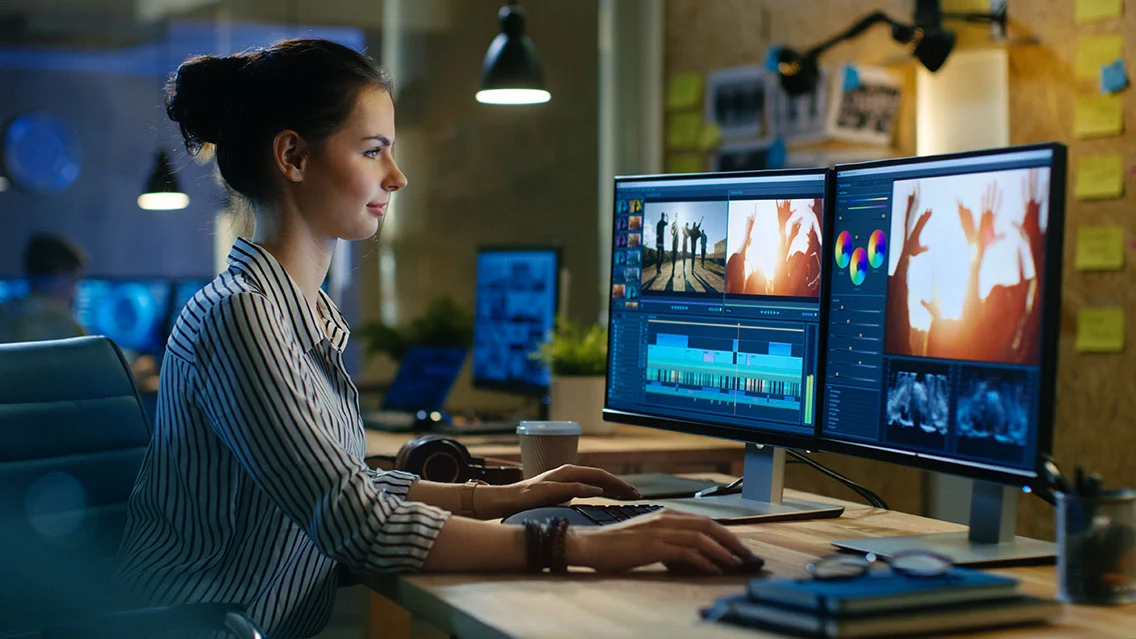
Editing live event photos isn’t about creating a fantasy, but about restoring how the night felt. Our eyes seamlessly blend mixed lighting—camera sensors don’t. Under warm uplights and cool LED spots, the camera splits those tones harshly: warm on one cheek, blue on the other. Post-production lets us correct these divides, creating images that match your memory, not just the technical reality.
We start with global color correction and exposure balancing, using custom presets tailored to each venue’s lighting. Then we go deeper on hero images—those destined for albums, walls, or social media. Retouching is minimal and natural: a flyaway hair, a temporary blemish, or some shine from an hour of dancing—never heavy-handed smoothing.
Timing matters. Corporate clients often need selects within a day or two for PR; wedding clients should expect their gallery within a few weeks. We’re always clear about this upfront, since nothing erodes trust like vague timelines.
Post-production also allows a second look—maybe a distracting background element, or a composition that shines as a square crop. Sometimes, the most beloved images are ones the client didn’t even know were taken—candid, unposed, and true.
Selective black and white conversion happens only when it serves emotion: a quiet glance, a sleeping child, an intimate gesture. But color matters, too—the electric blue of a mitzvah backdrop, the unique hues of wedding florals, or a company’s iconic palette. These choices are made image by image, never by template.
This is the final chapter in honoring the reality of the event. Rushing the process or leaning solely on automation makes a gallery feel generic; thoughtful editing is where the difference shines through.
Work With 5th Avenue Digital in New York City
If you’re planning a wedding, mitzvah, or corporate event in New York and want event photography that truly captures the energy of a live gathering, reach out to us at 5th Avenue Digital. Every project starts with a pre-event consultation—Elizabeth Beskin personally matches you with the right photographer for your venue, your taste, and the unique challenges of your event. That first meeting shapes everything. Call us at (212) 741-6427 or visit 5thavenuedigital.com to start the process.