



15 Jul Choosing the Right Wedding Photographer: Proven Tips Every Couple Should Know
Choosing the right wedding photographer goes beyond picking pretty pictures. Discover how to evaluate portfolios, understand pricing, and make sure your photographer can handle the realities of your big day.
Most couples who walk into our Broadway studio have already spent hours scrolling through hundreds of wedding portfolios online. By the time they sit down across from us, they’re more confused than ever. We get it. Every photographer’s Instagram looks gorgeous. Every website promises “timeless, authentic moments.” The language and imagery start to blur—soon you’re basing your decision on whose website template looks nicest. After nearly two decades behind the camera, I can tell you: the couples who end up disappointed usually make the same early mistakes when choosing the right wedding photographer.
Selecting a wedding photographer isn’t really about finding someone who takes beautiful photos. At the professional level, everyone’s photos are beautiful. The real test is whether your photographer can execute under the unique, unrepeatable conditions of your day—your venue’s lighting, your timeline’s curveballs, your family’s dynamics, your unpredictable weather. That’s a much deeper question, and most online advice doesn’t even touch it.
Let me walk you through what actually goes wrong, what decision points truly matter, and where couples often undervalue or overlook things that end up mattering most.
Your Portfolio Favorites Probably Won’t Look Like Your Wedding
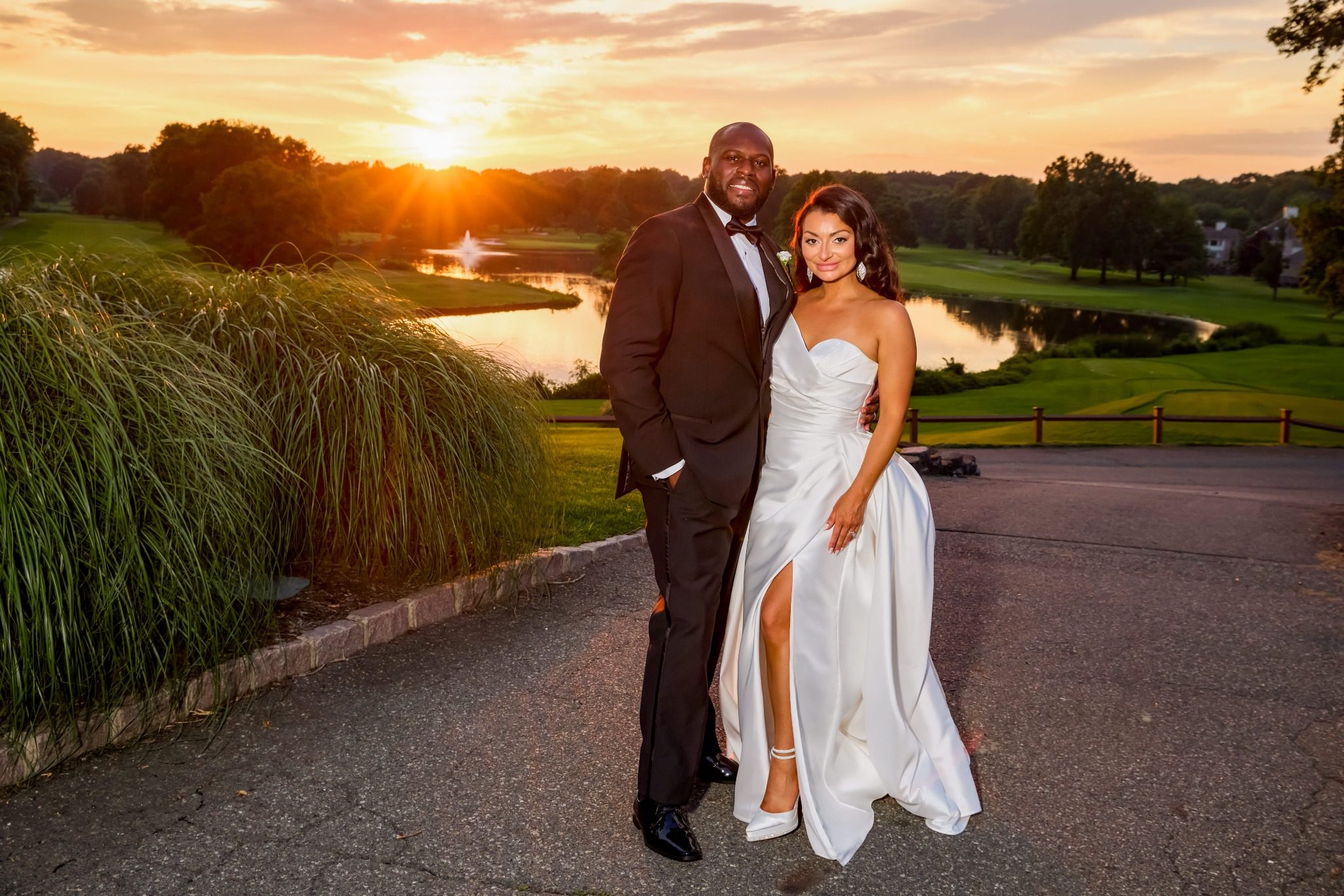
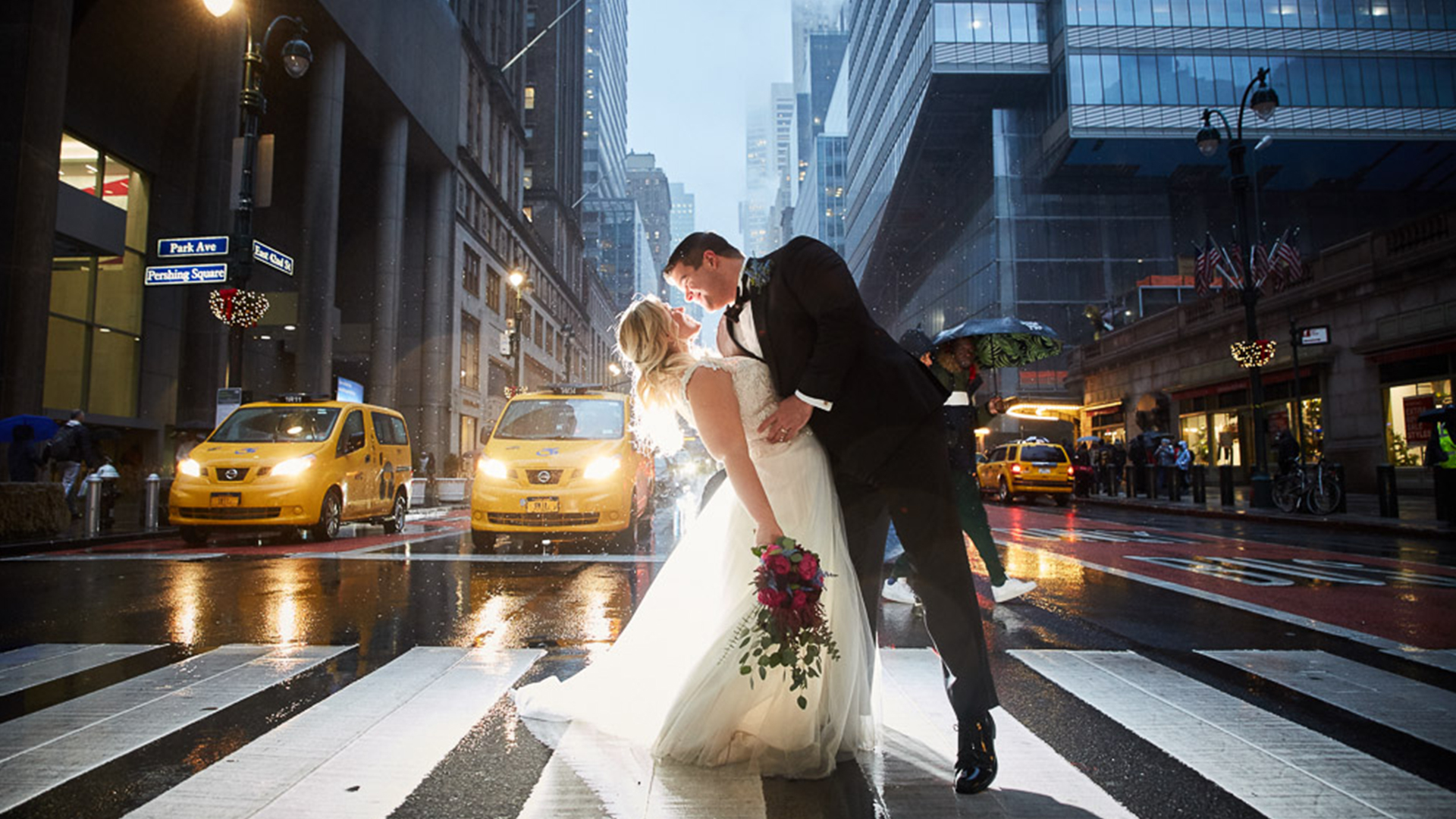
If I could, I’d tattoo this on every couple’s forehead during the booking process: the photos you fall in love with in a photographer’s portfolio—those moody golden-hour shots in the mountains, the perfect backlit ceremonies beneath glowing string lights—are rarely a template for your own day. Maybe your wedding is in a midtown hotel ballroom with fluorescent overheads, or a ceremony space facing east, flooded with window light that blows out exposures before cocktail hour even starts.
Portfolio images are a photographer’s greatest hits. Carefully curated from years of work, they showcase the absolute best moments under the most ideal conditions. That’s not dishonest. But these portfolios rarely reveal how a photographer handles a windowless reception hall, a timeline that runs forty minutes behind, or a bridal party of fourteen who started drinking at breakfast.
What you want to see is a full gallery from a real wedding—ideally, one similar to yours in venue, time of year, and guest count. If a photographer isn’t willing to show you entire client galleries, that’s telling. Not every frame must be a masterpiece; you’re looking for consistency. Can this photographer deliver quality across eight or ten hours, through changing light, chaotic energy, and shifting schedules?
This matters more than most couples realize. We’ve lost count of how many times We’ve seen someone book a photographer based on gorgeous outdoor work, only to discover their own wedding was mostly indoors—where the photographer struggled to use flash and every reception image comes back flat or harshly lit. Those dreamy portfolio shots don’t feel so dreamy anymore. The photographer wasn’t dishonest, just not the right fit for your conditions.
Ask for full event galleries. Inquire how they handle tough timelines or unfamiliar venues. If answers are vague or defensive, keep searching.
Here’s what to actually look for when comparing wedding photographers:
Consistency in varied lighting—not just hero shots, but those candid moments in hallways, elevators, and preparation rooms with limited light. True-to-life skin tones—some editing styles can wash out darker complexions or oversaturate lighter ones. You’ll only spot this by reviewing complete galleries, not highlight reels. Candid versus posed shots—if every sample feels staged, think about whether you want that style dominating your entire day, knowing this photographer will be in your personal space for hours. Coverage of the everyday details—rings, invitations, table settings. These fill your album’s gaps and tell more of your wedding’s story than you’d expect. Equipment and backup plans—a single camera isn’t enough. Professionals come prepared for gear failures, memory card corruptions, or dead batteries—this is the thin line between seamless coverage and a disaster you’ll talk about for years.
I’m not speculating here. My camera’s shutter once failed in the middle of a ceremony; I switched to my backup in seconds. The couple never knew. If I’d only had one camera, those ceremony memories would simply not exist.
Pricing Tells You Less Than You Think
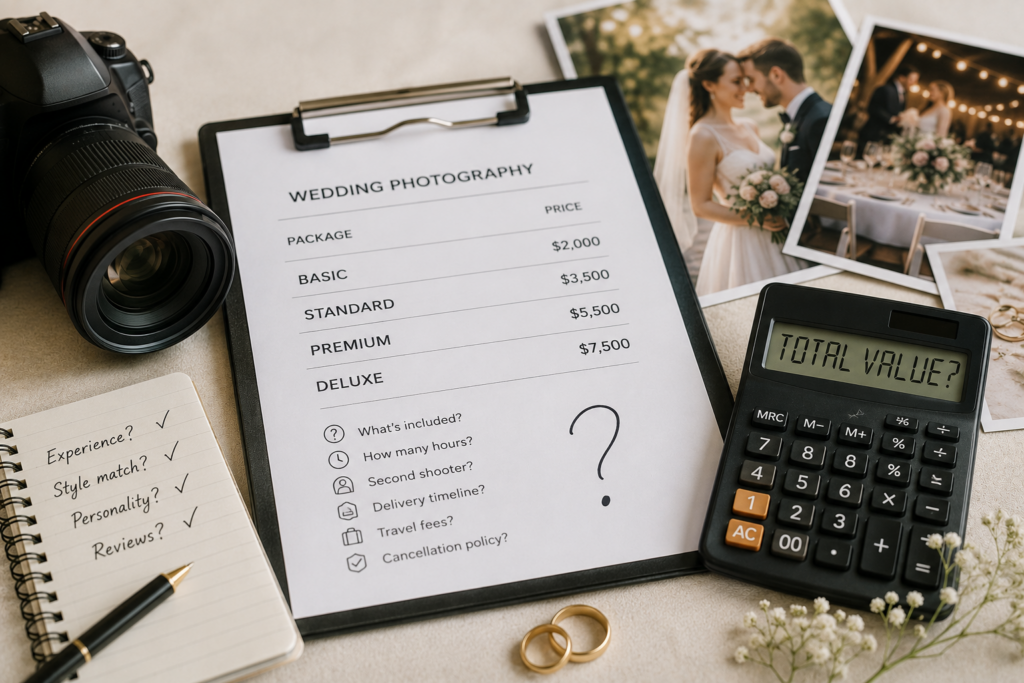
Many couples spend endless hours comparing the cost of different photographers. We understand—weddings are expensive, and photography is a major line item. But raw price comparisons mean little unless you know what’s actually included, what’s left out, and how your photographer’s business is structured beneath the numbers.
Ask these questions about pricing:
- How many hours of continuous coverage are provided?
- What’s the overtime rate if your day runs long?
- How many fully edited images will you receive?
- What’s the delivery turnaround?
- Is there a second shooter—and if so, are they a professional or simply an assistant?
- Are travel fees included for venues outside the city?
- What is the true cancellation and rescheduling policy, according to the contract—not just the website FAQs?
I won’t tell you what to spend; your budget is your own. But remember: photography and video are the only vendor outputs you’ll look at in twenty years. Flowers wilt by Monday, cake is eaten, the DJ packs up. Only the images last. Budget accordingly.
One detail that surprises most people is that wedding photo albums design and production is a separate creative skill. A custom thirty-page album takes hours of layout, revision rounds, and close work with a print lab. If albums are part of a package, their cost is already calculated in. If not, it’s an unbundled expense that’ll surface later, should you decide you want one after all. Neither system is wrong—just be clear on what you’re opting for.
Regarding deposits and payment: in New York, a retainer—usually a third to half the total—is common at booking, with the balance due before the wedding. Scrutinize your contract, especially any clause covering the photographer’s inability to attend due to illness or emergency. A true professional contract includes a replacement policy that ensures a comparable substitute. If the contract ignores this, you’re relying on hope, not a guarantee.
Second Shooters and Day-Of Logistics
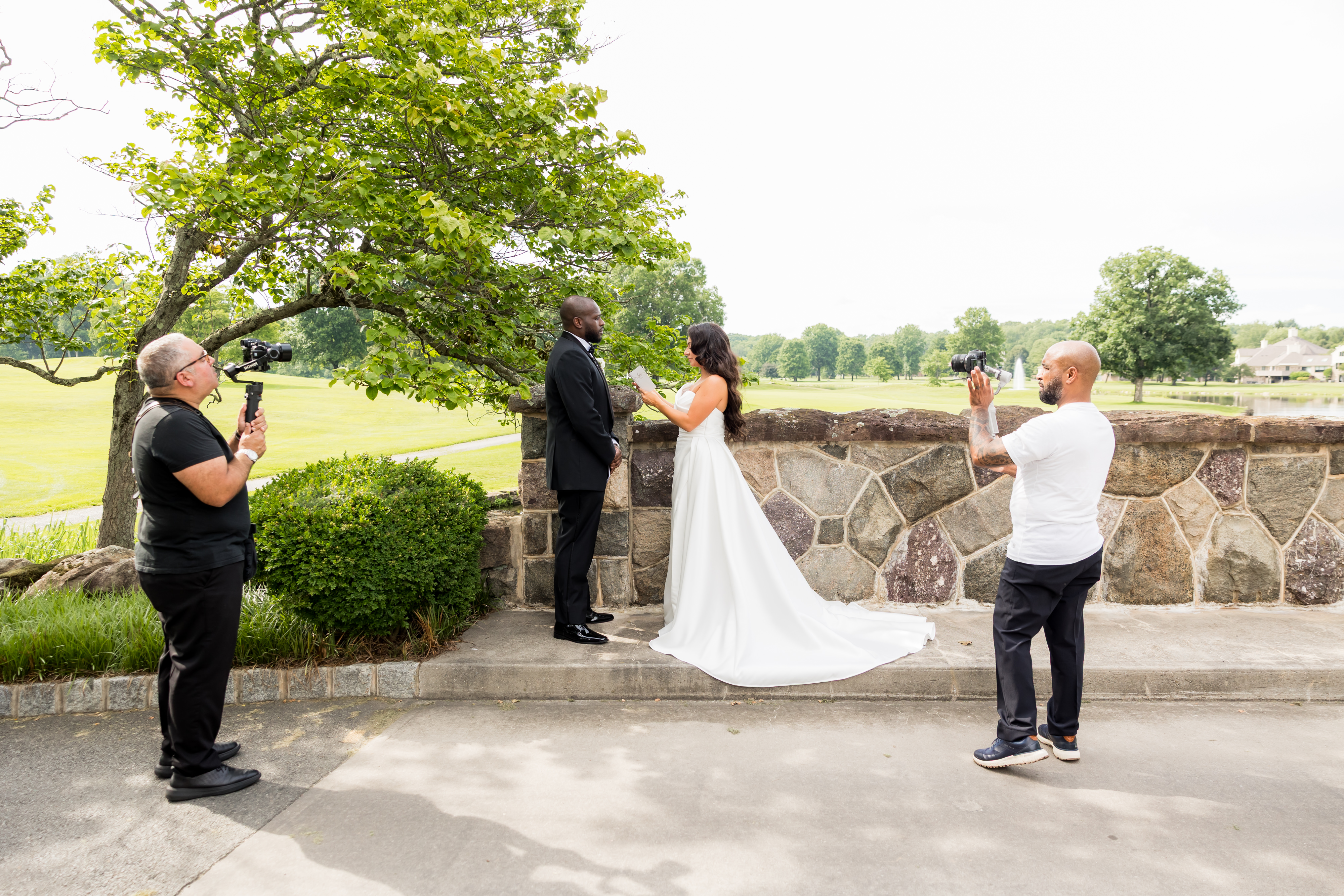
There are three practical factors you must consider: your venue’s photo restrictions (some religious spaces forbid flash; some rooftops pose wind hazards; many hotels restrict access until just before the ceremony), your timeline for portraits (fifteen minutes for twenty family groupings? Not possible, no matter who you hire), and the role of your “second shooter” (are they a real photographer or just another set of hands?).
Ask your photographer point-blank how they’ve managed weddings in your venue, or a venue with similar restrictions. How they answer will reveal almost everything.
If you’re planning your wedding in New York and want to have a real discussion about what photographic coverage looks like for your specific venue and timeline, 5th Avenue Digital offers a pre-wedding walkthrough consultation. We’ll review your venue, your schedule, and your shot list together, before you sign any contract. Inquire about wedding photography at (212) 741-6427 or stop by our New York studio. The walkthrough isn’t just a formality—it’s what sets up everything else.
Choosing the right wedding photographer isn’t about chasing gorgeous portfolio images or bargain-hunting. It’s about finding someone whose expertise and approach match the reality of your unique day, so you can look back in twenty years and love what you see.