



06 Jul The Ultimate Guide to Corporate Event Photography That Boosts Marketing ROI
Most companies approach booking a photographer for their annual gala or product launch the same way they pick a caterer—find someone available, confirm the rate, move on. The photos show up a week later, get dumped into a shared drive, and maybe three find their way onto a LinkedIn post that gets forty-seven impressions. We’ve seen this cycle repeat over nearly two decades of shooting corporate events across Manhattan. The real waste isn’t in what’s spent on photography—it’s in treating the output like a receipt instead of a marketing asset.
I run the photography team at 5th Avenue Digital. We’ve shot everything from investor dinners in Tribeca lofts to multi-day conferences at the Javits Center. What I keep stressing to marketing directors is this: the gap between event photography as a line-item cost and event photography as a revenue driver lives in how you plan, shoot, and activate the images after the event.
This isn’t about spending more; it’s about spending smarter.
Most Event Photos Die in a Shared Drive
I pulled data from a client’s asset library last year. They’d invested in professional event photography for six different events over eighteen months. Out of about four thousand delivered images, fewer than ninety had ever been used—on social, the website, internal presentations, or email campaigns. Ninety.
This isn’t a photography failure. It’s a planning one.
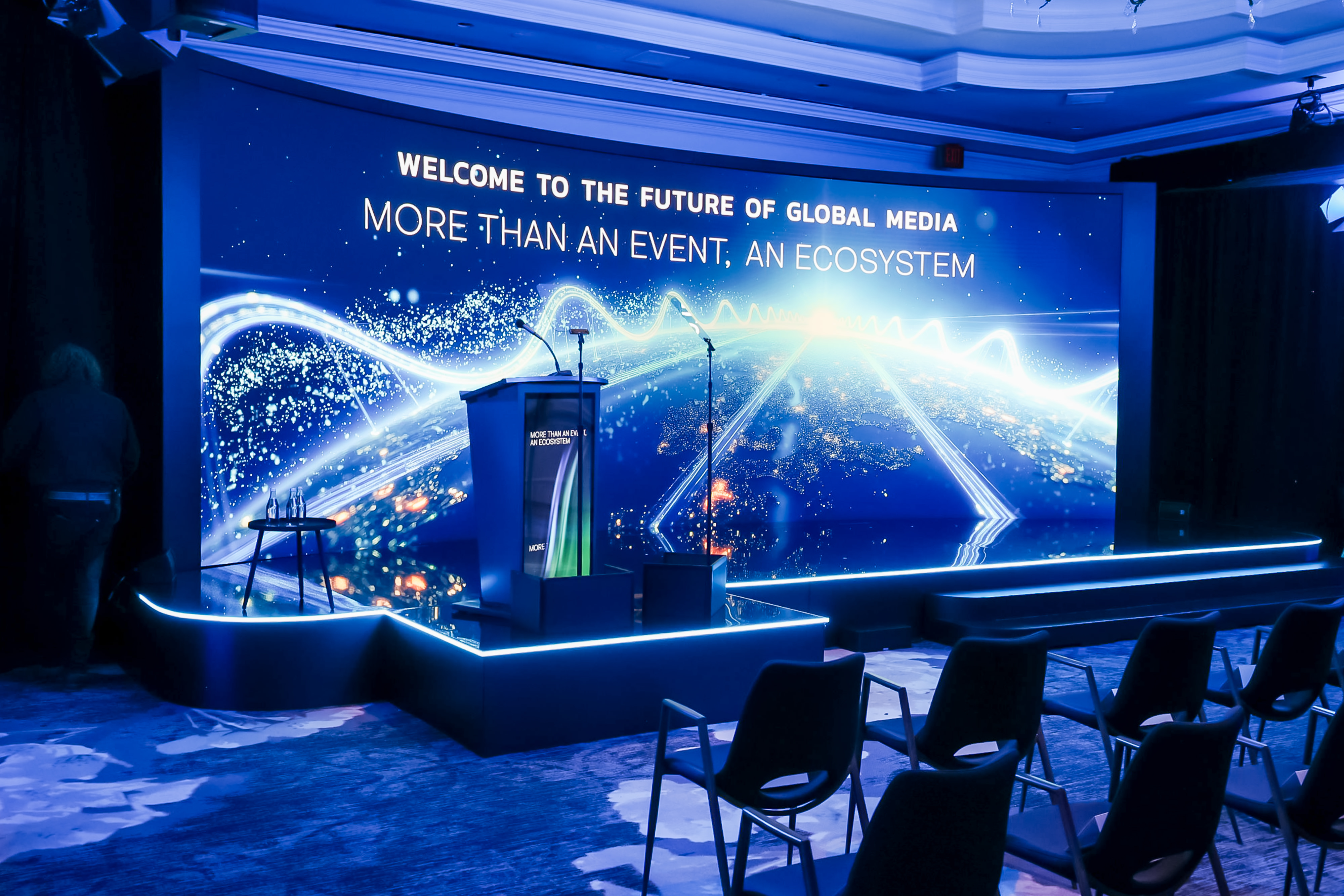
When no one briefs the photographer on what the marketing team actually needs, you get beautiful candids of people holding wine glasses or wide shots of empty stages before the keynote begins. The shots are technically good. But if they’re not strategically aligned, they’re unusable. The marketing team sifts through the gallery, doesn’t see anything that fits their campaign grid or blog headers, and defaults back to stock photography.
The rare images that do make the cut share a few things: they feature recognizable people (executives, VIP clients, keynote speakers), they have backgrounds clean enough for cropping to various sizes, and they tell a quick story—maybe a panelist gesturing, two people shaking hands in front of branded signage, a crowd reacting to a moment on stage. Those photos don’t happen by accident. They happen because someone sat down before the event and said, “We need twelve images that do X, eight that do Y, and a handful of Z for the annual report.”
Companies sometimes hire a photographer with talent for weddings or editorial assignments but zero understanding of brand asset creation. That’s a different skill set. Wedding photographers chase emotion; a corporate event photographer chases utility—images that will circulate inside a marketing system for months after the event is over.
The difference between a photography line item and a marketing investment? Often, just a thirty-minute planning call before the event. That’s the gap—not gear, not lighting, not a flashy Instagram feed.
Event Photos Can Drive Marketing ROI
Let’s talk about real ROI—not just the fuzzy notion of “brand awareness,” but metrics you can track.
One of our clients, a mid-size financial services firm in Midtown, began treating their quarterly client events as a series of content creation opportunities about two years ago. The events didn’t change. The budget stayed the same. The only shift was inviting us into the process earlier, and building a shot list aligned to their content calendar.
From a single evening event, the marketing output now includes:
Eight to twelve unique social media posts—spread across LinkedIn, Instagram, and their company page, each bringing a different perspective rather than just cropping the same wide shot. Speaker and panel images that the comms team sends directly to presenters, who then reshare to their networks—multiplying organic reach (this gets overlooked by many companies). Portrait-level shots of attending executives, taken during the cocktail hour against a clean backdrop—eliminating the need for separate headshot sessions. Behind-the-scenes material for employer branding: prepping, setting up, the event team in action. The stuff that makes a company look real and human on its careers page. Custom blog imagery for recaps that doesn’t rely on the usual Getty handshake photo everyone else is using.
Here’s an operational truth: if you want those speaker reshares, someone on your team needs to send out images within 48 hours of the event, tagged and formatted for each platform. Many organizations never make it this far. The images sit. The window closes. The speaker moves on.
That same financial client measured a steady uptick in inbound inquiries correlated directly with their post-event content campaigns. We’re not talking viral spikes, but consistent growth—quarter after quarter—from events they were already hosting and paying for.
The cost of photography didn’t increase. The return improved because each image was planned, captured for a purpose, and actually used.

Branding Lives in the Details You Don’t Notice
Strong branding isn’t just about sharp composition—it’s about visual consistency, and that takes a photographer who understands more than just exposure.
Three details make the difference:
Color accuracy: If your brand palette is navy and white, but the event venue uses orange lighting, every uncorrected photo will push warm and off-brand—unless your photographer fixes the white balance or your editor corrects it afterward. Strategic logo placement: Shots that include branded elements, without turning the image into an obvious billboard. This usually requires scouting the room in advance and planning compositions accordingly. Executive nuances: C-suite members often have specific preferences—certain angles, instructions about candids, or restrictions around context. The photographer needs that info before the event begins, not after someone complains.
Think of these less as creative choices, and more as brand compliance tasks that happen to require a skilled photographer.
The Real Cost Is What You Don’t Shoot
A tech company we worked with held a product demo in Chelsea last fall—a big launch event with press and potential partners. They booked photography, but only for the main presentation. No coverage during cocktail hour before, no coverage in breakout sessions after.
The CEO ended up having a fantastic, animated exchange with a major trade journalist during cocktails. Great rapport, a handshake, both laughing—exactly the kind of image PR teams drool over. That journalist published a glowing article two weeks later, but the company had no photos to use in any of their follow-up coverage.
Gone.
You can’t go back and manufacture a moment. You can’t replicate the energy, the interaction, or the context. Stock images won’t save you. AI hasn’t cracked it, either.
The cost to extend a photographer’s coverage—from just the keynote to the full event window—is often relatively little more. Now weigh that against the value of the unscripted moments you might miss: networking, hallway conversations, the authentic exchanges that show who you really are as a brand.
We tell clients to think of this decision as marketing insurance—except in this case, the insurance also produces future campaign content. Don’t gamble on nothing important happening outside the scheduled window, especially not in New York, where sidebar conversations define the biggest deals.
Another overlooked line item: B-roll video. Even short, 15–20 second clips of the crowd, speakers in action, or executive handshakes can give your social team motion assets that punch above their weight compared to still images. Hybrid photo-video capture is becoming standard, and clients who use those clips consistently see better online engagement. Adding video isn’t usually a budget-buster, but it’s a serious multiplier for what you get out of the day.
Professional Event Photography Services That Actually Deliver
Corporate event photography in New York isn’t just about technical skill—it’s about adaptability, speed, and understanding how brands operate.
What separates a great corporate event photographer?
They work off a shot list but pivot easily. If the CEO skips the scheduled panel, the photographer adjusts—no hand-holding required. They remain unobtrusive. Nobody wants a photographer disrupting organic moments to stage group shots during networking or between sessions. They deliver selects fast. Not the whole gallery—just a curated batch of 20–30 key images within 24 hours, so your social team can start sharing before the event fades from memory. The full gallery comes later; the fast selects keep the buzz alive. They hand off only usable shots. No one wants to scroll hundreds of poorly-lit, blurry, or mid-blink photos. Careful culling is non-negotiable—a photographer who delivers everything unedited is making their mess your problem.
A recurring issue for marketing teams: image rights. Some photographers retain tight usage restrictions that block you from using event photos in paid campaigns or on certain platforms without extra fees. Set these terms before you sign, not after you need images for an ad. Secure full commercial usage rights in your contract.
Rates in Manhattan range widely based on team size, turnaround times, and extras like on-site printing or social feeds. But what you’re really paying for is the planning before and the editing after—not just the hours a photographer spends in your venue.
Work With 5th Avenue Digital in New York
If your corporate events are producing a mountain of photos no one ever uses, that’s the issue worth solving. At 5th Avenue Digital, we’re based in New York, and our specialty is designing pre-event content capture plans—mapping your marketing needs to a concrete shot list, so every photo ends up with a purpose. Call us at (212) 741-6427 to set up a plan for your next event—and turn corporate event photography into a real marketing investment.