




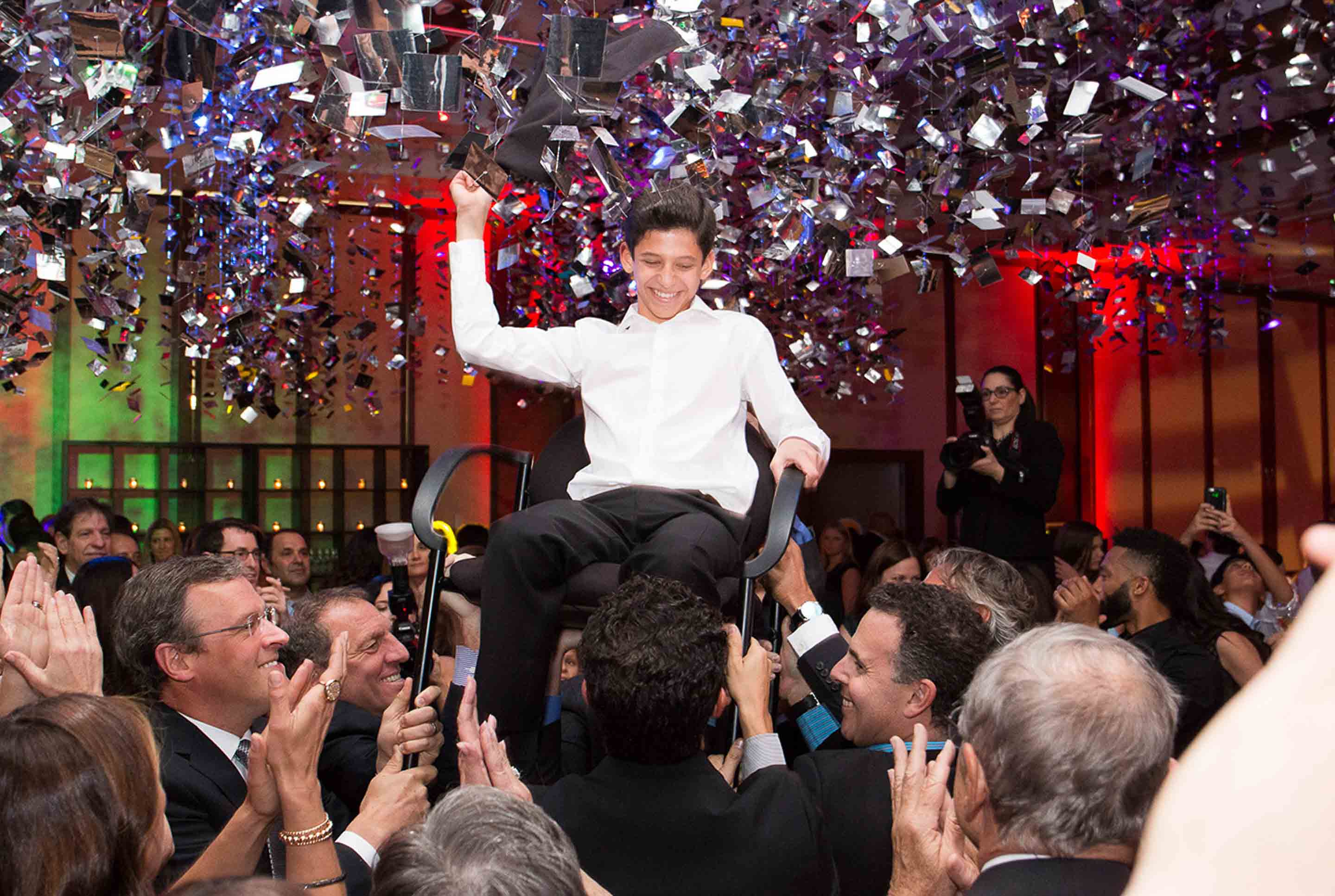
22 Jun The Ultimate Guide to a Stress-Free Bar or Bat Mitzvah Photo Session: Powerful Secrets for Beautiful Photos

The Session Isn’t About Posing — It’s About Transition
Most families come into a bar or bat mitzvah photo session expecting something like school picture day—stand here, smile, done. But as soon as questions about locations, outfit changes, or the meaning behind the Torah portion come up, it can suddenly feel much bigger than anyone expected. And that’s a good thing. These photos aren’t just headshots—they’re the visual record of your child stepping into a rite of passage. The session should reflect this significance, without turning into a high-pressure production that makes a twelve-year-old freeze up.
After almost eighteen years photographing events and portraits across New York, We’ve seen bar and bat mitzvah sessions everywhere from Central Park, Upper West Side synagogues, to Brooklyn apartments (where moving furniture isn’t unusual just to catch decent light). Every environment has taught me what actually works, and what doesn’t. Here’s what We tell families before their bar or bat mitzvah photo session begins.
Bar/Bat Mitzvah Photography Captures Change, Not Just Smiles
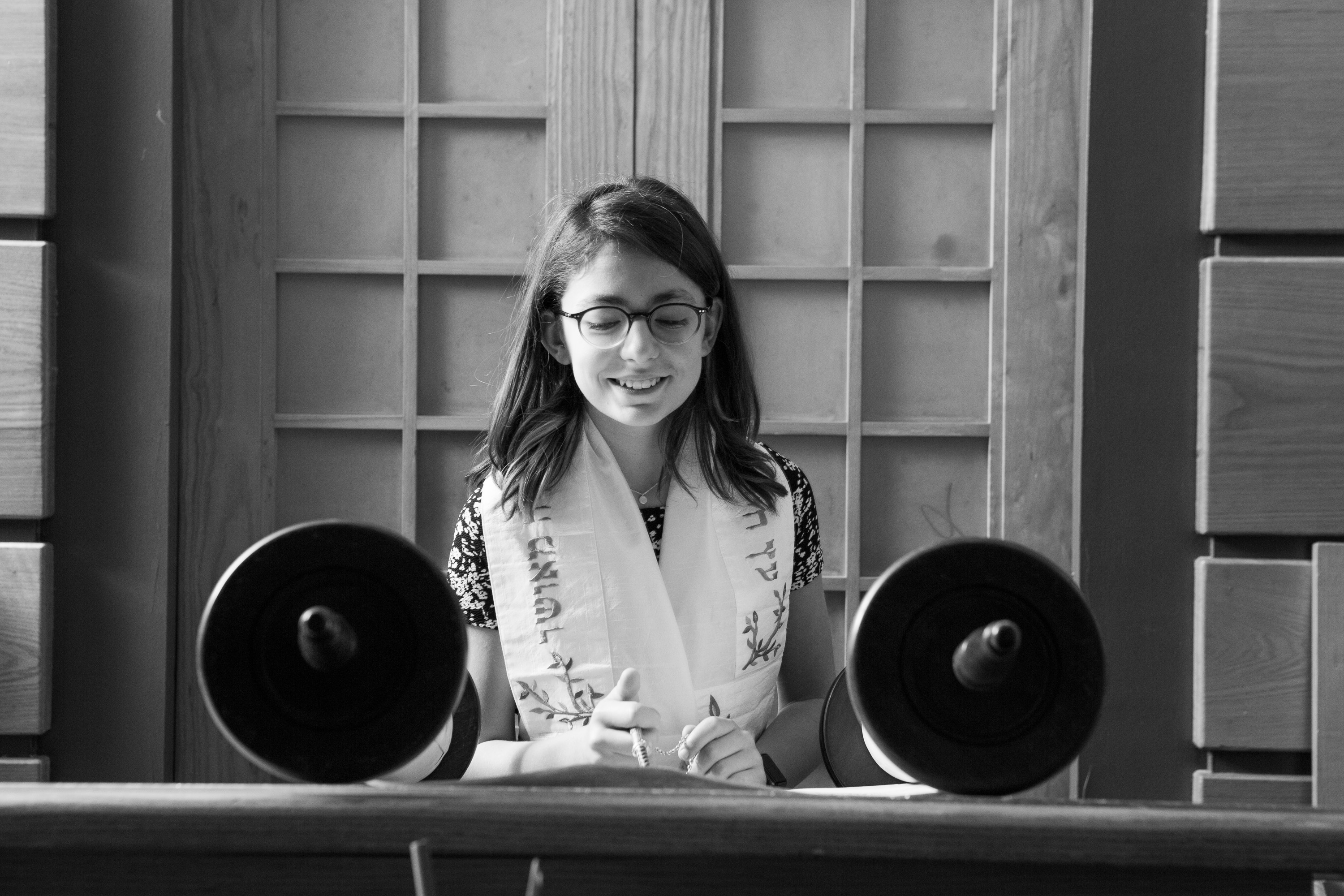
Bar and bat mitzvah portraits occupy a rare space—they’re not strictly candid event coverage, but they aren’t formal studio sittings, either. Instead, they’re a planned shoot meant to document something spontaneous: who your child is becoming in this moment.
Families who approach their session with this mindset always have the best experience. The sessions that feel awkward are almost always the ones where parents treat it strictly like a checklist—get a shot with the tallit, another with the Torah, and squeeze in a family group photo. Those images usually look stiff. The child’s expression goes flat, everyone’s smiling but somehow nobody looks like themselves.
What actually makes for compelling images is giving your photographer a little space and trust to build rapport with your child before the camera ever comes out. Sometimes, this means fifteen minutes spent just talking about their school, their nerves, or the mitzvah project they chose. Sometimes, it’s letting them call the first shot—location, pose, or even whose idea goes first. The goal is simple: get past the performance of being photographed, and help the child actually be present.
I remember a session a couple of years back with a quiet, reserved thirteen-year-old who suddenly came to life as soon as I asked about his haftarah portion—he’d chosen it himself, and he had genuine opinions. Instantly, his posture and face changed. That’s the moment to capture, not the forced grin posed in front of the ark.
Parents, your role is easier than you might think: be close enough for comfort, but not so close you’re directing every move. Constantly adjusting your child’s hair or collar can actually break the flow. Trust the process—if you’ve hired an expert, let them lead.
What Kids Should Actually Wear
Every pre-session call seems to include the question: What should my child wear?
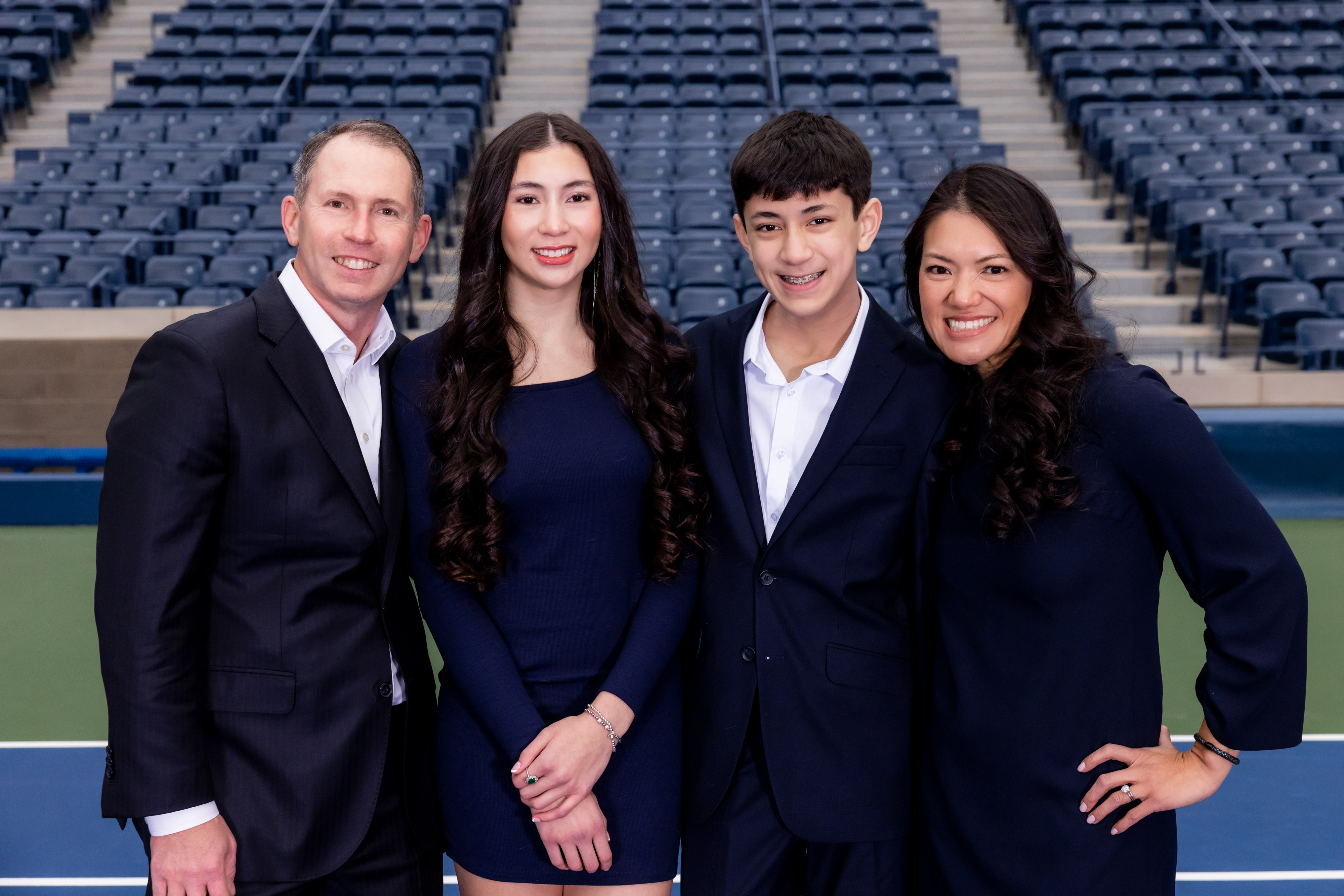
Short answer: wear what they’ll wear at the service, and bring one casual backup if there’s an outdoor or lifestyle portion. The longer answer gets into details most families don’t even consider until shoot day.
Fabric selection counts more than brands. Shiny polyester suits or dresses often reflect light, creating bright spots (especially under flashes) that are tough to edit later. Matte fabrics, natural fibers, and darker tones generally look more flattering and reliable in photos. For boys, a jacket with a satin sheen might mean your photographer spends more time fighting reflections than capturing authentic moments.
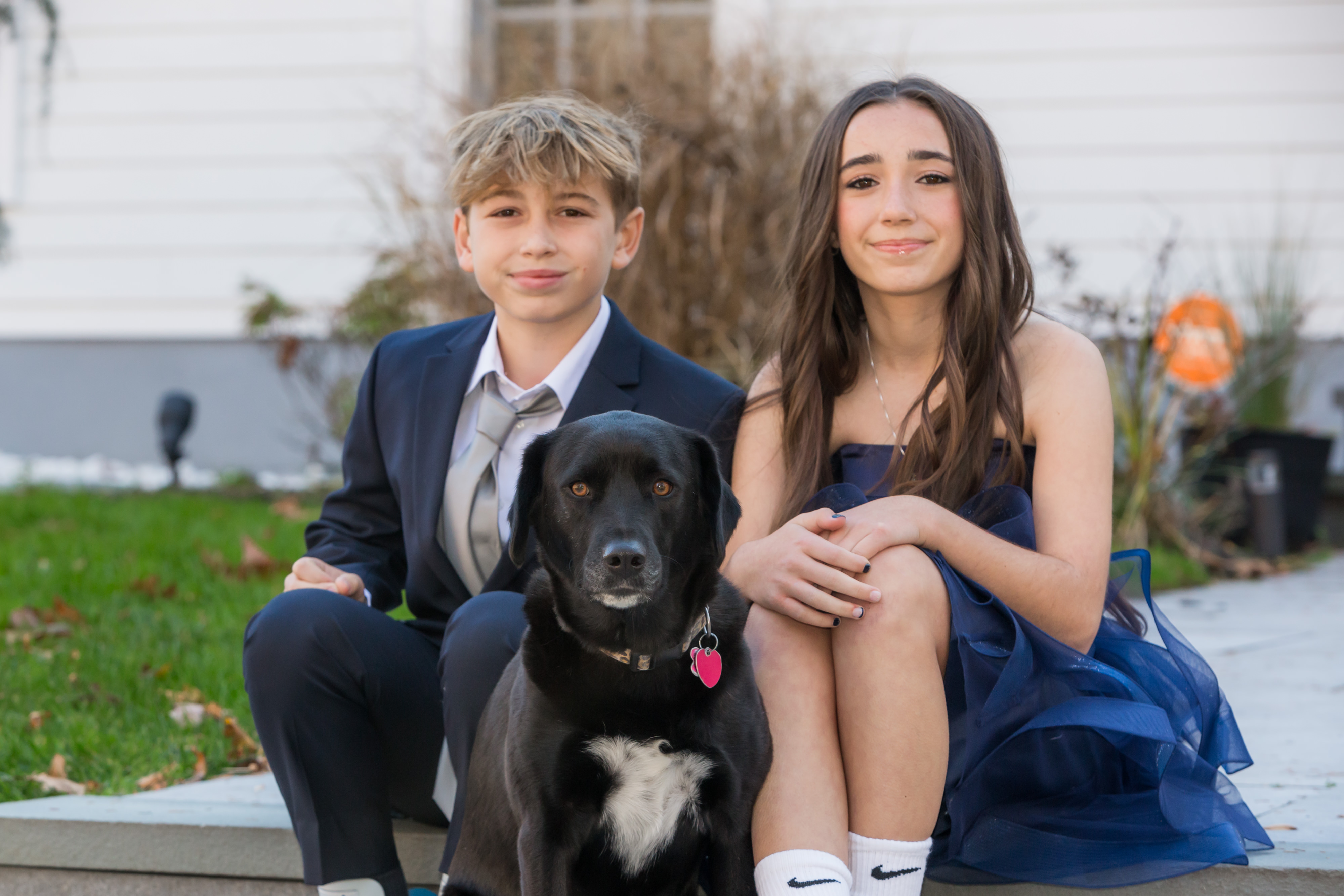
For girls, movement is key. Bat mitzvah dresses are often more structured and less comfortable than everyday clothes. If the dress makes it hard to sit naturally or walk outside, these portions of the session are likely to feel stiff. Consider a second outfit like a blouse and skirt that still feels special, but lets your child move.
Shoes are the most overlooked detail. New dress shoes on uneven ground in Riverside Park are a recipe for blisters before the first pose is done. Break them in first or have a backup, comfortable pair for walking between locations.
A few specifics that save time and frustration:
- Ties and bowties should arrive tied, not done on site—fiddling with knots as the light changes wastes time.
- Glasses with anti-reflective coating photograph far better than standard lenses.
- Nail polish, if worn, must be fresh—chipped polish on hands in Torah close-ups stands out in print.
- Pack a lint roller, especially with dark suits and family pets in the mix.
How Long the Session Actually Takes
A basic portrait session—single location, one outfit, immediate family—takes about an hour. If you’re including multiple locations, extended family groupings, or outdoor lifestyle shots, expect two to two and a half hours. Beyond that, children (and honestly, adults too) tend to lose that spark, and faces start to show fatigue.
Three things impact session length: weather (especially outdoor shoots in New York, which sometimes require rescheduling), the number of groupings (every additional combination of relatives adds setup time), and your child’s energy—which no one can fully predict.
The Synagogue Shoot Has Rules You Don’t Set
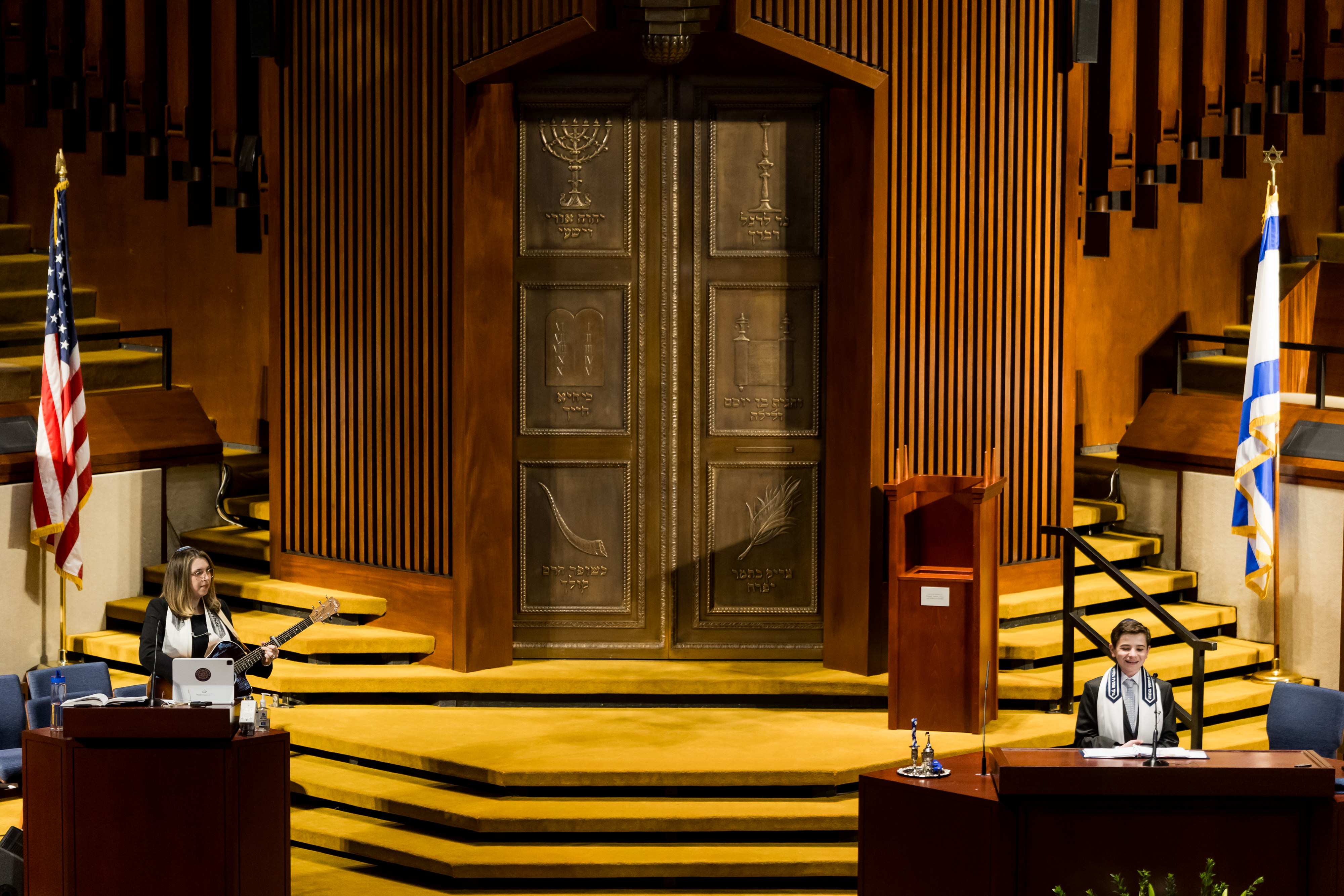
If your bar or bat mitzvah photography session includes synagogue portraits, remember that the photographer is working under restrictions set by the congregation.
Some synagogues forbid flash. Others only allow photos on the bimah at very specific times. Certain buildings insist the ark stays closed during non-service hours. Some require a building manager to be present, changing your available time window. In several Manhattan and Brooklyn Conservative and Orthodox congregations, no photography is permitted on Shabbat at all—which often means the session happens on a weekday, with its own distinctive lighting and atmosphere.
Families are often unaware of these rules until someone asks. If your photographer doesn’t check with your synagogue about policies, you risk an awkward conversation with the staff—or worse, your child feeling that tension mid-session.
Professional photographers will reach out to synagogues in advance for all the key details: restrictions, best available natural light, whether flash is allowed, location for group photos, and any timing issues. These are crucial logistics that, done right, you’ll never notice the day of—but they make all the difference.
We’ve shot in sanctuaries where a single stained glass window provided perfect light for only forty-five minutes on a sunny day. Planning around that made for dramatically better images. Bimah, Torah, and tallit portraits carry deep meaning—not just visual importance. If your photographer hasn’t asked what specific ritual items or traditions matter to your child, bring it up before the shoot.
What You’ll Get Back and When
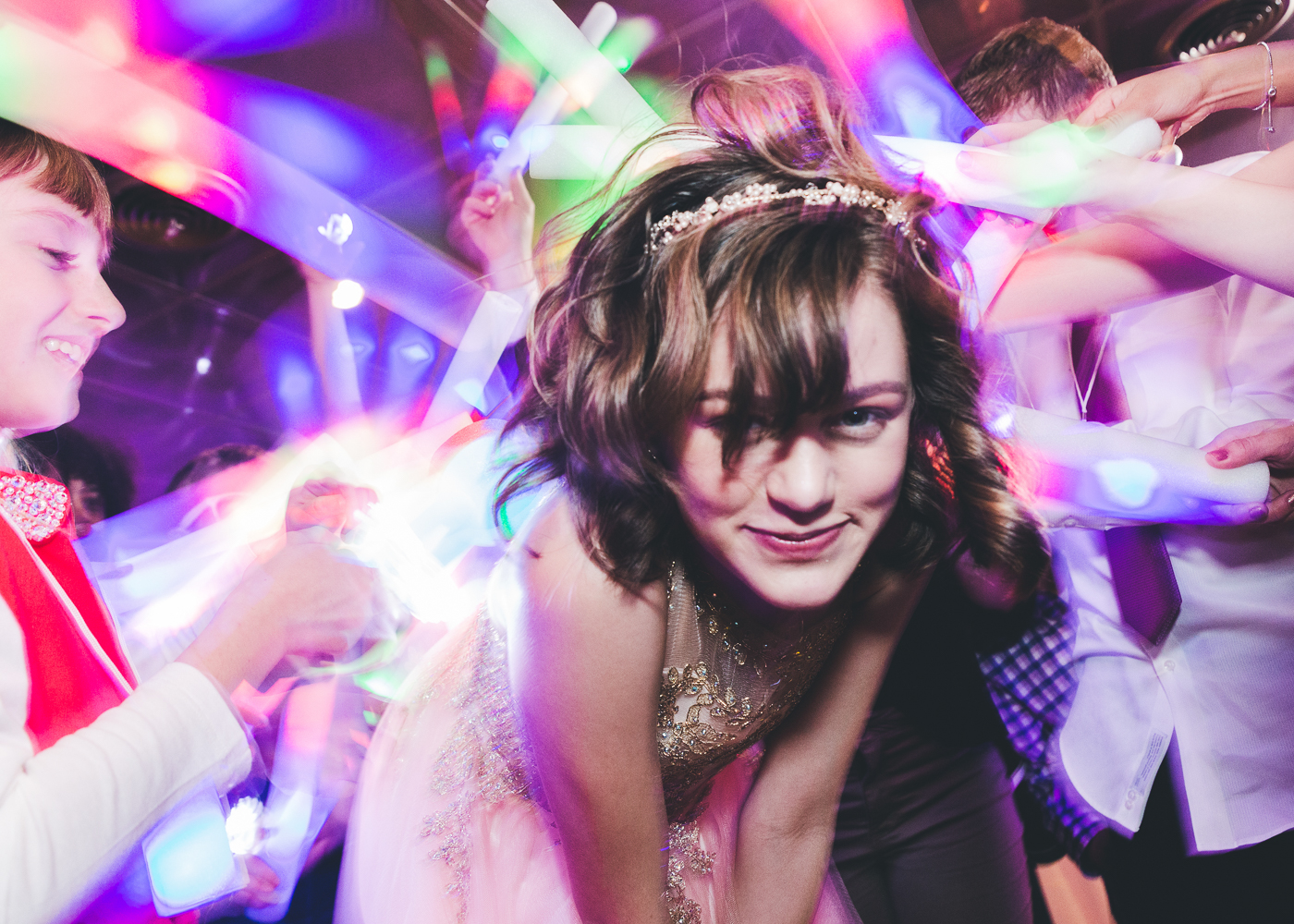
Turnaround time is one of the biggest sources of friction for families after their bar or bat mitzvah photo session.
A typical mitzvah portrait shoot yields around 300-800 raw images. From there, the photographer sorts, color corrects, retouches, and finalizes a curated gallery—usually ready within two to four weeks. Quick edits aren’t always better; rushed retouching often shows, especially in prints larger than 8×10.
Expect a polished online gallery with about 75–150 fully edited portraits. High-resolution files and printing rights are standard. In many cases, your photographer will also include a handful of “hero” images—special retouched portraits destined for wall displays, invitations, or autograph boards.
Albums are typically a separate project. Custom albums—lay-flat pages, premium covers, and 30–40 spreads—can take anywhere from three to six weeks to design and proof after your gallery is delivered, depending on complexity and revisions.
A surprise for many families: party photos and portrait session photos are separate deliverables, with different timelines. If your photographer covers both, clarify up front how and when you’ll get each set. Merging them can sometimes mean your earlier portraits are delayed until party images are ready.
Pricing in New York varies widely. Sometimes session fees and deliverables are bundled; sometimes digital images and prints are priced separately. Know which model your photographer uses before booking. A session fee that looks low but excludes final edits may not actually be a bargain.
Book a Pre-Session Walkthrough With Us
If you’re preparing for a bar or bat mitzvah in New York and haven’t finalized your photography plans, 5th Avenue Digital offers pre-session consultations and walkthroughs. We visit your synagogue, discuss your preferred shoot locations, and help plan the logistics so your session runs smoothly. Based in Manhattan, our team has experience across major venues from the five boroughs to New Jersey. Call us at (212) 741-6427 to arrange your walkthrough and ensure your photo session captures this milestone beautifully.