




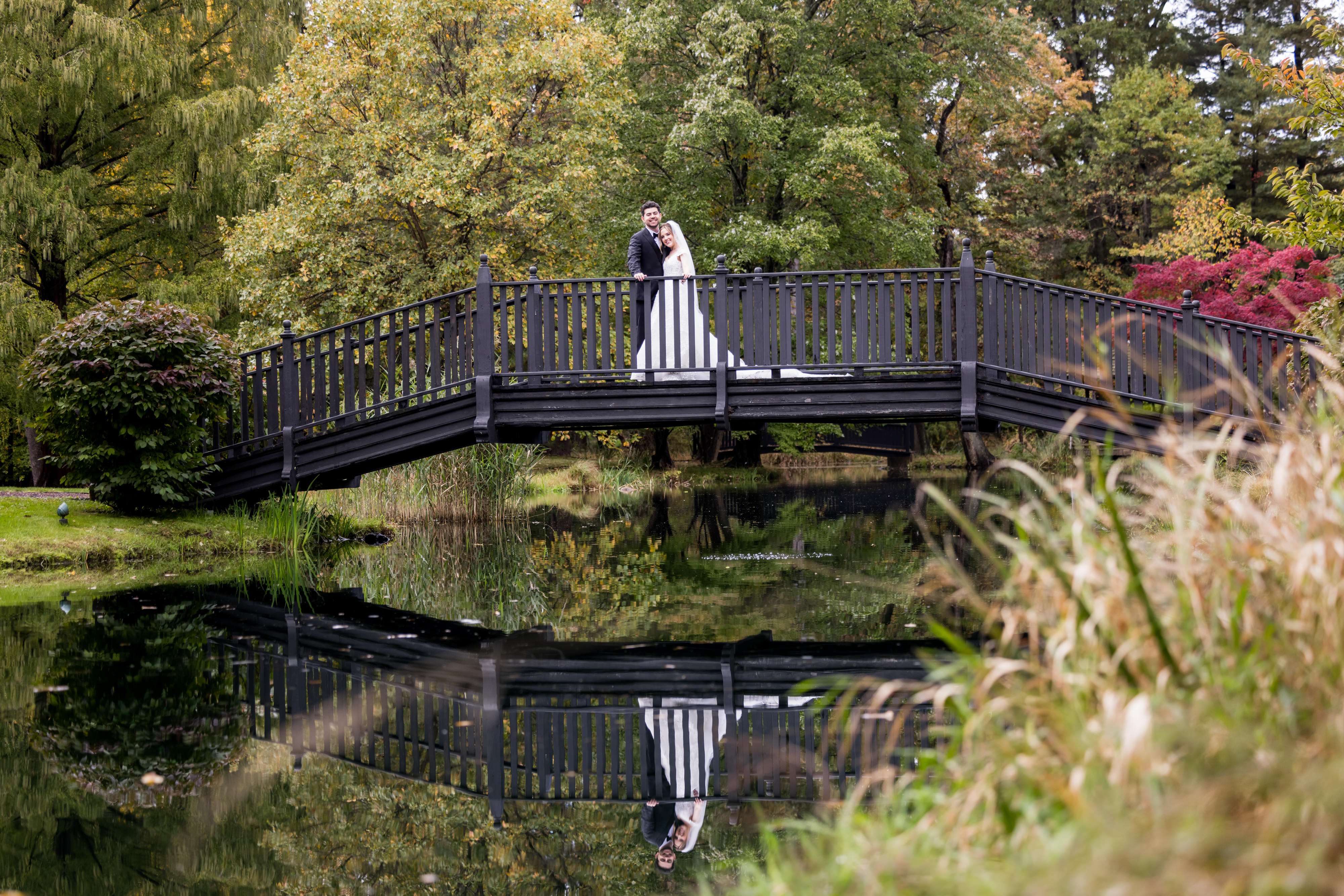
03 Aug How to Build a Wedding Day Photography Timeline That Actually Works: Essential Steps for Stress-Free Photos

A Photography Timeline Isn’t Your Coordinator’s Schedule
Most couples who reach out for wedding photography have already booked the venue, secured a caterer, and picked out colors—but they rarely consider what truly happens between getting dressed and cutting the cake from a photographer’s perspective.
That’s where so many timelines unravel. The issue isn’t apathy—it’s that nobody explains the critical difference between the general wedding day schedule and the photography timeline. Your planner’s timeline ensures the florist knows when to arrive and the DJ when to set up.
But a real photography timeline maps out where light will fall, how long group formals actually take with your unique family, and which moments you’ll regret missing if the schedule goes sideways. After nearly two decades photographing weddings across Manhattan, Brooklyn, Hudson Valley, and Long Island, We’ve seen carefully planned events falter because someone assumed “golden hour” means the same thing every month. We’ve also watched couples with wild families and bustling venues nail every important shot—because they built the day around the camera, not solely around the caterer.
Let’s talk about what consistently delivers.
How a Wedding Photography Timeline Brings Your Day to Life
Your wedding coordinator builds a logistics playbook—a document that juggles vendor arrivals, cocktail hour transitions, and scheduled breaks for the band. It’s crucial to a smooth event, but for photography? It’s not enough.
A photography timeline overlays that plan with an entirely different set of questions: Where will the sun be during your vows? How many family formals do you actually want, and what does it really take to wrangle everyone—especially when Uncle Steve wanders to the bar or grandma moves at her own pace? Is there a tiny window between your ceremony ending and cocktail hour starting to sneak away for intimate portraits, unnoticed?
These aren’t logistics questions—they’re about capturing the visual narrative of your day, and they demand someone familiar with your venue, or at least someone who’s scouted it.
Too often, I see coordinators earmark “ten minutes for family formals.” For a blended group of forty-plus relatives, some of whom haven’t spoken in years or need strategic placement? That’s not a plan—it’s wishful thinking.
We create photography timelines by working backward and forward from your ceremony time. Everything extends from that anchor: getting-ready shots, first look logistics, travel between locations, ceremonies, family groupings, couple’s portraits, and receptions, all carefully mapped and reverse-engineered from your “I do.” The coordinator gives us the outer structure; the photography timeline fills it in with what’s actually possible for your day.
First Looks Change Everything Downstream
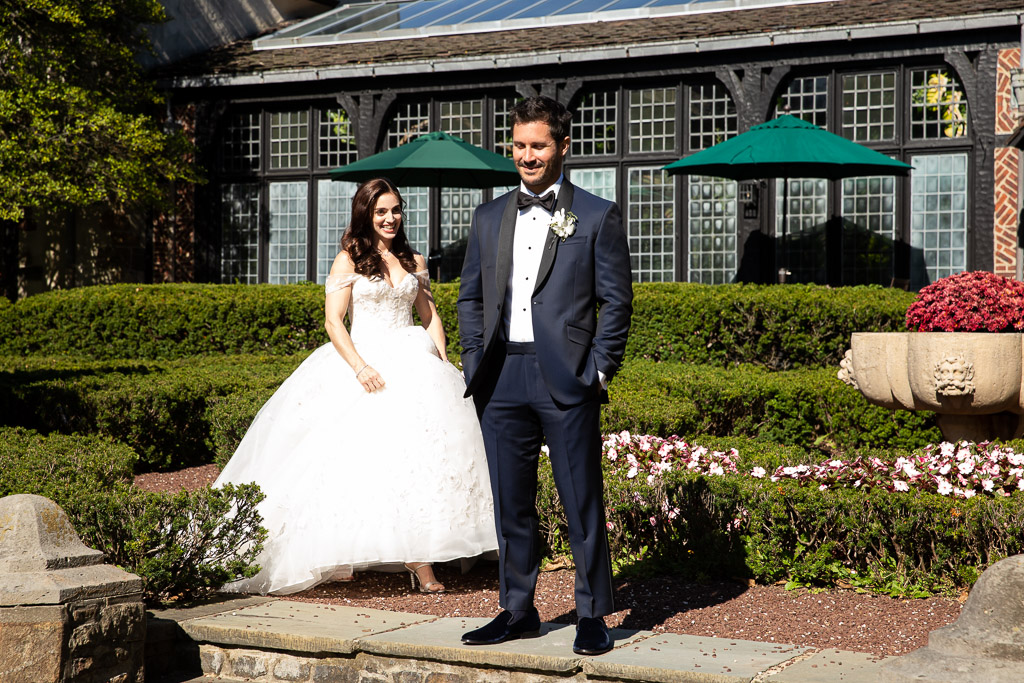
I’m not here to sway you into or out of a first look—that’s deeply personal, always your call. But couples must understand just how significantly a first look changes the flow of a wedding day, especially through the lens of time management.
When you see each other privately before the ceremony, it opens up the entire schedule. We can capture a vast majority of your portraits before you ever walk the aisle. That means after your vows, instead of vanishing for nearly an hour while your guests start cocktail hour (and wonder where you’re), you can be there, relaxing and soaking in your own celebration. We might sneak you out for a fleeting moment during golden light, but the main portrait effort is done.
Without a first look, the dominoes topple differently. Ceremony ends. Maybe a receiving line (still common in NY). Then come family formals, followed by couple’s portraits. You arrive at cocktail hour just as it’s winding down. Many couples miss most of it—not from poor planning, but from a timeline that didn’t reflect real-world wedding dynamics.
Here’s the other catch: plenty of couples plan a first look without accounting for the time it actually swallows. The first look itself is ten minutes, but the prep—getting everyone fully ready, make-up complete, dressed, transported, and emotionally settled—takes closer to ninety minutes before your ceremony. If your vows are late afternoon, be prepared for an early start to the day.
My mantra: a first look doesn’t magically “save” time; it shifts when the pressure builds. It moves those high-stakes moments from after the ceremony to before. Whether that’s worth it depends on your priorities, your venue logistics, and your family dynamics.
Building the Formal Portrait List Nobody Wants to Build
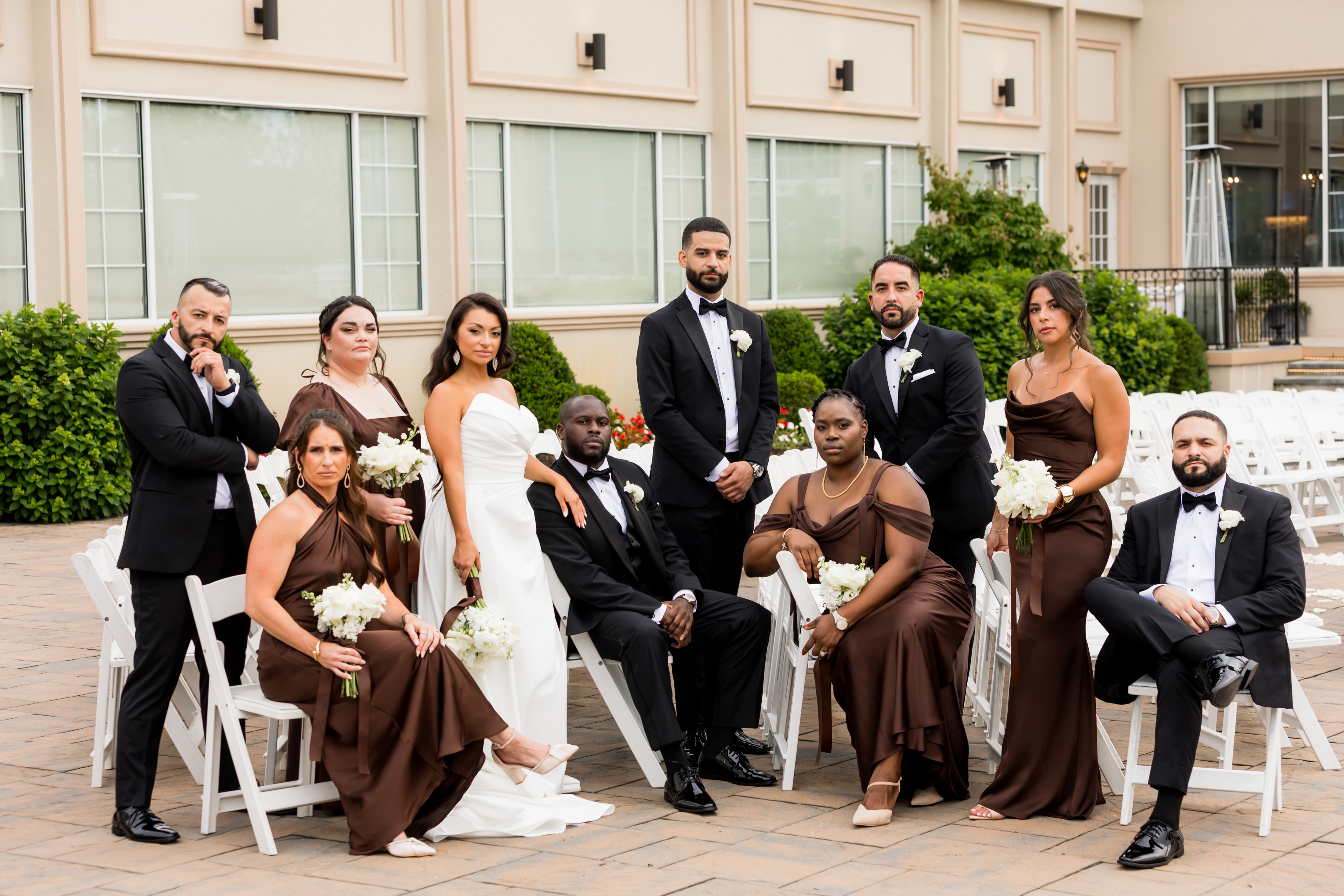
This is where about half of couples’ eyes glaze over, but it’s too important to skip: making the family formal photo list. Yes, it feels tedious. Yes, it’s a special kind of pre-wedding homework. But do it—seriously.
We’ve photographed hundreds of NYC weddings. The single biggest time sink during formals isn’t lighting or gear—it’s people. People not present when needed, relatives who didn’t realize they’d be in a grouping, and lots of spur-of-the-moment requests from parents suddenly remembering a cousin needs a solo shot.
Each improvised grouping costs precious minutes. That sounds minor until you stack up a handful and suddenly the sun is gone, guests grow restless, and coordinators start sending panicked texts about the schedule.
Build your list, and be explicit. Spell out each grouping with clarity: Couple with bride’s parents. Couple with bride’s parents and siblings. Couple with bride’s immediate family—detailed with step-parents, half-siblings, anyone who matters—fully written out. The same level of detail for the groom’s side. Add in both sets together, each subset of the wedding party, crucial grandparent shots (do these first so elderly relatives aren’t waiting), and leave a buffer for one or two surprise day-of combinations—because they always happen.
My rule: For a streamlined list, each grouping takes about three minutes. Fifteen groupings need forty-five minutes, minimum, if everyone’s ready and wrangled. Bigger or more complex families need four minutes each—and an assigned “family wrangler” (usually a commanding, well-informed wedding party member) to assemble each group on time.
Venue Transitions Kill More Timelines Than Weather
This section is short, but you truly can’t overlook it.
Venue transitions, especially in New York, risk derailing the best-laid timelines. The three biggest culprits: unpredictable bridge and tunnel weekend traffic, limited elevator access in most Manhattan buildings (competing with caterers and florists for one slow service lift), and distances between ceremony and photo locations that “looked close on Google Maps.” Fifteen minutes to cross Midtown? Rarely realistic. Budget for thirty. Crossing a bridge? Count on forty-five, and cross your fingers.
I will never build a timeline depending on lucky traffic. Neither should you.
Sample Wedding Day Photography Timeline
Here’s a real NYC wedding cinematography and photography timeline for a late-afternoon ceremony with a first look and a single venue for both ceremony and reception. This setup offers flexibility—but only if you respect the power of careful planning.
Mid-morning: Getting ready coverage begins.
Both sides’ preparations are documented, often by two photographers to capture the bride and groom’s process at the same time. We focus on detail shots—rings, shoes, dress, invitation suite, cufflinks, meaningful keepsakes—over two flexible hours. If hair and makeup run long (very common with larger bridal parties), this is where delays are quietly absorbed.
Early afternoon: First look.
The scene is scouted; lighting is mapped. The couple sees each other for the first time, reactions are captured, then we move into couple’s portraits. This window, about forty-five minutes, is sacred—guarded from vendor interruptions or curious relatives.
Family formals.
We use the prepared shot list and wrangler, working group photos in a set order: grandparents and elderly relatives first, then parents, siblings, extended groups. If the list is tight and everyone is on time, this takes thirty to forty-five minutes.
Ceremony follows.
We’re in position, having checked restrictions and sight lines. Many New York houses of worship enforce strict rules—no flash, balcony-only, never cross the altar line. All these nuances are built into the schedule so nothing gets missed.
Cocktail hour.
With all major portraits done, the couple attends in full—no vanishing acts. Candid moments, detail shots, and sometimes a swift golden hour portrait session are our focus.
Reception coverage.
Reception coverage covers all the major moments: entrances, first dance, toasts, parent dances, cake cutting, and high-energy dancing. Our photographers usually shoot the first two to three hours of the party; the last hour, when only the DJ lights the floor, tends to yield diminishing photographic returns. Most couples want twenty fantastic dance photos, not four hundred.
For a day like this, expect your wedding photography coverage to span about eight to ten hours—an investment of both time and resources.
Don’t forget: the editing phase is part of your timeline, too. We deliver carefully curated galleries after the wedding, and post-production takes weeks, not days. Managing delivery expectations upfront saves a lot of post-wedding anxiety.
Working With 5th Avenue Digital in New York
If you’re getting married in the city or anywhere in the New York metro area and you haven’t built your photography timeline yet, let’s talk—because that’s the critical first step. Elizabeth Beskin personally matches each couple with a photographer based on visual style, venue, and your day’s logistical demands. Reach out, and we’ll customize your wedding day photography timeline—before you ever commit to a package.